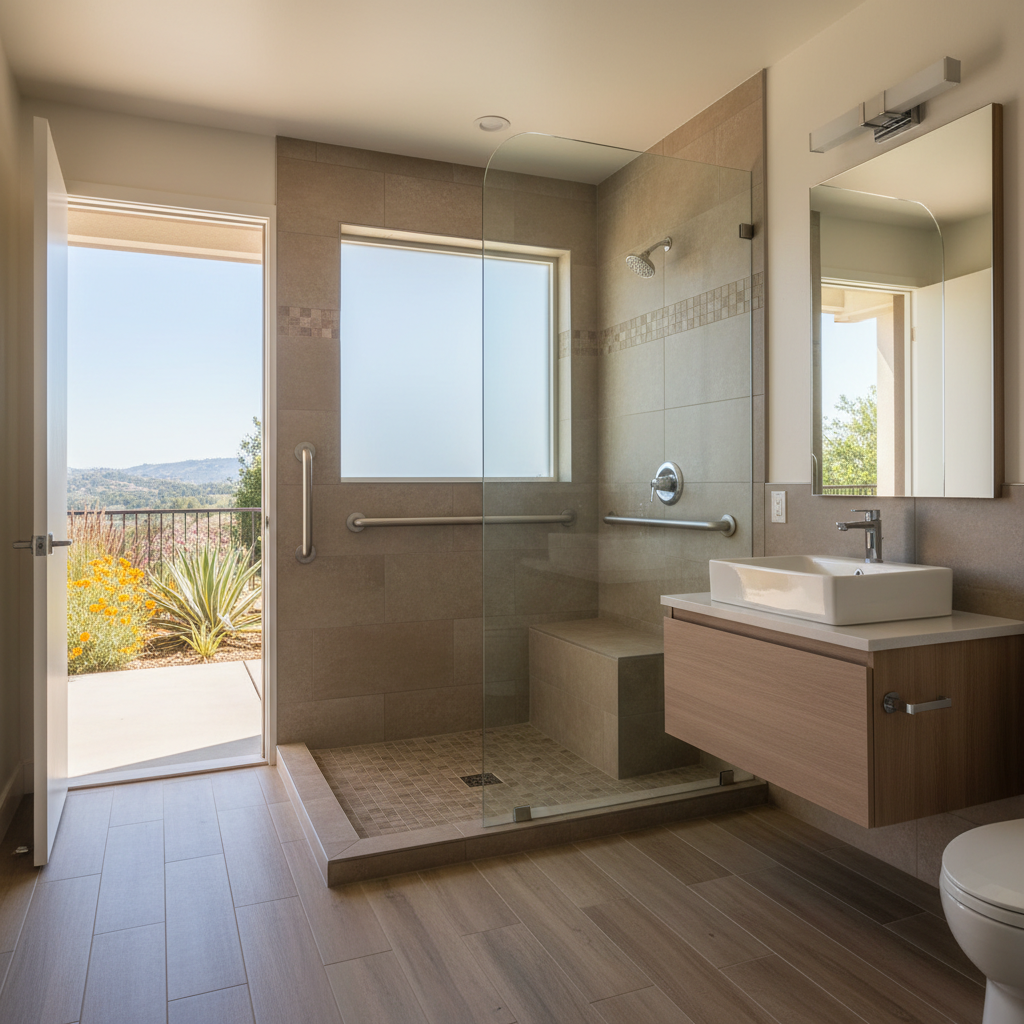
You've put in the work, maybe even had us at Irvine Bathroom Construction build out a fantastic accessible bathroom for you. It's a big investment, and it's there to make life easier and safer, right? But just like anything else, it needs a little TLC to stay that way. You can't just install it and forget it, especially not with our unique Irvine climate.
Extending the Life of Your Accessible Bathroom
The goal here isn't just to keep things clean; it's to prevent small issues from turning into big, expensive headaches. Think about it: a grab bar that wiggles loose isn't just annoying, it's a fall hazard. A leaky faucet isn't just wasting water, it could be rotting out your vanity or subfloor. Here's what I tell folks:
- Gentle Cleaning is Key: Harsh chemicals can degrade finishes on grab bars, shower seats, and even tile grout over time. Stick to mild, pH-neutral cleaners. For stainless steel grab bars, a soft cloth and warm water is usually all you need. If you've got specialized coatings on your shower walls or glass, make sure you're using the recommended products.
- Protect Against Hard Water: We've got pretty hard water here in Irvine, especially if you're in an older neighborhood like Woodbridge or Turtle Rock. That mineral buildup isn't just unsightly; it can clog showerheads, corrode fixtures, and make things harder to clean. Wiping down wet surfaces regularly after use, and occasionally descaling with vinegar or a mild descaler, will go a long way.
- Mind the Grout and Caulking: These are your first lines of defense against water intrusion. Cracks in grout or caulk are an open invitation for moisture to get behind your tile and into your walls. That's how you get mold, mildew, and eventually, structural damage. Keep a close eye on it, particularly in the shower and around the toilet base.
- Don't Overload Fixtures: Grab bars and shower seats are designed for specific weight limits. Don't use them as towel racks or storage shelves. It seems obvious, but I've seen it happen. Stressing them beyond their design can weaken their mounting points.
Regular Maintenance: What You Should Be Doing
This isn't rocket science, but it does require a little consistency. A few minutes here and there can save you thousands down the road.
- Weekly Wipe-Down: After every few showers, or at least once a week, wipe down all surfaces. This includes grab bars, shower seats, and the floor. This prevents soap scum and hard water buildup.
- Monthly Inspection: Take five minutes. Seriously. Go through your accessible bathroom and check everything.
- Check grab bars: Give them a gentle tug. Do they feel solid? Any movement?
- Examine shower seats: Are they secure? Any cracks or wear on the surface?
- Look at the floor: Any loose tiles? Any signs of water pooling or discoloration near the base of the toilet or shower?
- Test plumbing: Run the water, flush the toilet. Listen for drips, look for leaks. Check under the sink.
- Clean drains: Use a drain snake or a biological cleaner (not harsh chemicals!) to prevent clogs.
- Quarterly Deep Clean: This is when you might tackle grout cleaning, descaling showerheads, and really getting into those nooks and crannies.
Warning Signs of Problems You Shouldn't Ignore
Your bathroom will often tell you when something's not right, if you're paying attention. Don't brush these off:
- Wobbly Grab Bars or Shower Seats: This is a safety issue, plain and simple. If it's not rock solid, it's not safe.
- Cracked or Missing Grout/Caulking: As I mentioned, this is a direct path for water. You'll often see this first around the base of the toilet, along the bottom of the shower walls, or where the countertop meets the wall.
- Persistent Musty Odor: If you've cleaned everything and that damp, earthy smell won't go away, you've likely got hidden mold or mildew. This is a common issue in our humid coastal climate if ventilation isn't adequate.
- Water Stains or Peeling Paint: Especially on the ceiling below an upstairs bathroom, or on walls adjacent to the shower. This is a clear sign of a leak.
- Slow Drains or Gurgling Sounds: These are classic indicators of a developing clog.
- Rust or Corrosion: On fixtures, especially around the base of the toilet or sink. This could indicate a slow leak or just excessive moisture.
When to Call a Professional
Look, I'm all for DIY, but some things are best left to the pros. Especially when it comes to accessible features, safety is key. Don't try to fix something you're not absolutely sure about.
- Wobbly Grab Bars or Shower Seats You Can't Tighten: If you've tried to tighten the screws and it's still loose, or if you suspect the wall anchor isn't holding, call someone. You need to know it's properly secured to the studs or with appropriate blocking. This isn't a job for guesswork.
- Persistent Leaks: If you can't find the source of a leak, or if it's a major one, get a plumber in there. Water damage is incredibly expensive to fix, and it can compromise the structural integrity of your home.
- Extensive Grout or Tile Damage: A small patch of re-caulking is one thing. But if you have large areas of cracked grout, loose tiles, or suspect water has gotten behind the walls, you need a professional. They can assess the damage and make sure repairs are done correctly to prevent future issues.
- Mold Remediation: Small surface mold you can clean. But if it's widespread, keeps coming back, or you suspect it's behind walls, you need a mold remediation specialist. It's a health hazard.
- Any Issue Compromising Accessibility or Safety: If a ramp is cracking, a toilet isn't flushing right, or anything that impacts the primary function and safety of the accessible features, don't hesitate.
Your accessible bathroom is there to provide comfort and independence. A little proactive care goes a long way in ensuring it continues to do just that. If you're ever unsure about something, or if you're thinking about upgrading or repairing your accessible bathroom, give us a call at Irvine Bathroom Construction. We're always happy to offer advice.